A Mauritius wedding villa is a fully-staffed private house engaged as both venue and home — ceremony in the garden, dinner under the casuarinas, guests sleeping where they celebrated — with no hotel timeline and no strangers at the edges of the photographs. Maison Atoll composes such occasions end to end: weddings, vow renewals, milestone birthdays, anniversaries and multigenerational gatherings, each inside a single all-inclusive envelope from USD 50,000, with one dedicated liaison and a first sketch within 48 hours. Civil marriage for foreign nationals is well established in Mauritius, and the Maison's local team handles the filings in advance. Twelve stays are accepted per season, by invitation, and discretion is absolute — the Maison never names its guests. The result is a celebration that behaves like a house party of the highest order, on an island that lends it lagoon, light and time.
A Mauritius wedding villa instead of a venue
Venues rent you their machinery: a slot, a coordinator, a corridor shared with the next event. A wedding composed in a private villa reverses the logic — the house is engaged entirely, for days rather than hours, and the celebration expands to fill it. The ceremony happens in the garden at the hour the light is best, dinner runs as long as the toasts do, and the couple wakes the next morning in the same house, with breakfast laid for the survivors of the dance floor.
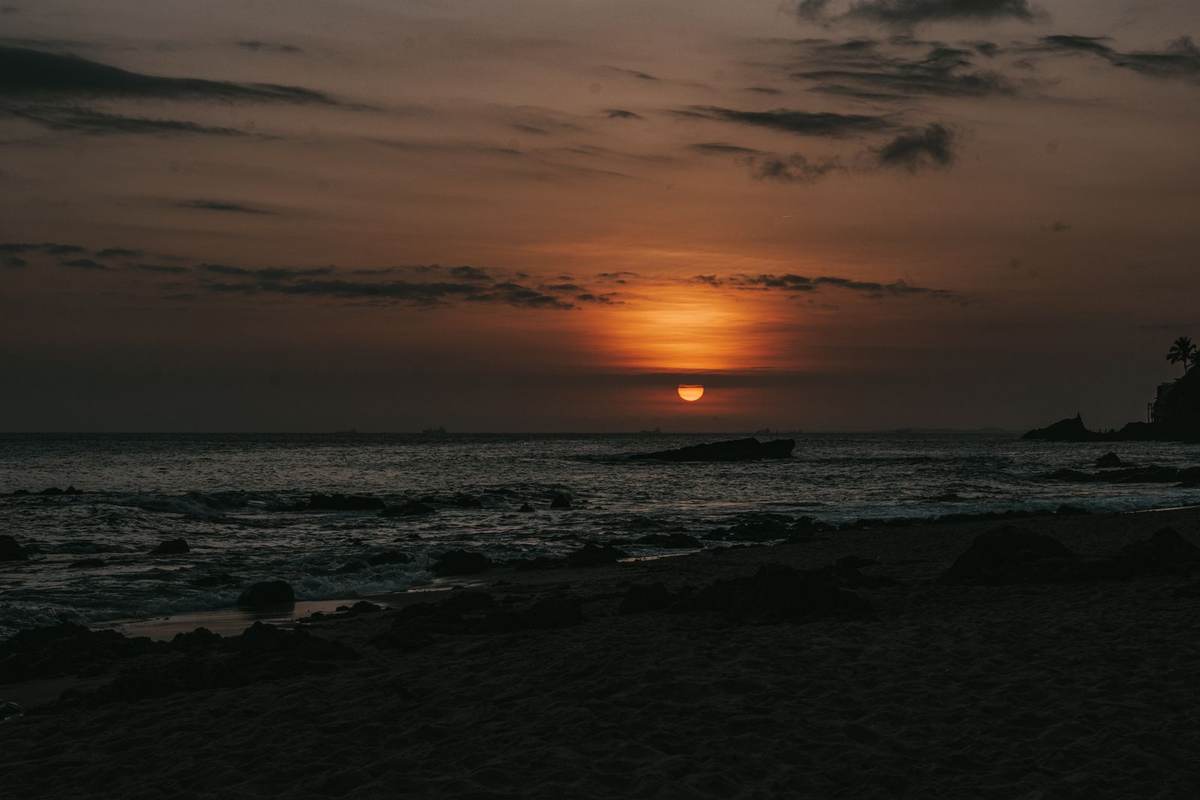
The island supplies what no venue can: a lawn meeting the lagoon on the sheltered west, a stand of casuarinas above a sandbank on the east, dusk over Le Morne as the ceremony's backdrop. The Maison chooses coast and house for your month first — the trade winds comb the east from May to October while the west stays glassy — because the difference between a veil in a breeze and a veil in a wind is a planning decision, made early.
Scale is chosen, not imposed. The Maison composes for two witnesses or for forty guests; beyond that, intimacy — its actual product — begins to thin, and it says so. Guests are housed in the main villa and in neighbouring houses taken for the week, so the wedding becomes a small, temporary estate rather than a block booking in a hotel wing, and the party never has to end at a lobby.
Milestones the Maison composes
Weddings are one chapter of the métier. The commissions that return each season: a fiftieth birthday that gathers three generations for a week; a silver anniversary marked with a renewal of vows on the beach where the couple first honeymooned; a matriarch's ninetieth with every grandchild at one long table; a reunion after years scattered across three continents. Each is composed as a stay first and an event second — which is why they feel like life rather than production.
The multigenerational brief is its own discipline. Grandparents want shade, quiet and a firm chair; parents want a cellar and conversation; children want the pool, the boat and other children. The Maison staffs accordingly — nannies, a chef running two menus, a skipper for the morning lagoon runs — and builds the days so that everyone is together twice a day and free the rest of it. Villas are chosen for their geometry as much as their beauty: wings, gardens, distances.
Surprises are engineered with particular care, because in a family, secrecy is logistics. Guests are briefed individually, arrivals staggered across different transfers, the guest of honour delivered to a lawn where sixty years of their life stand waiting under the trees. One liaison holds the entire plot; nothing is written where it can be found; and the Maison, as in everything, never names its guests — before, during or after the applause.

The paperwork, handled
Foreign nationals can marry legally in Mauritius, and the civil framework is well practised: documents — passports, birth certificates, and where relevant divorce or death certificates — are filed with the island's civil status authorities ahead of travel, and couples arrive a few days before the ceremony so the formalities can complete on the ground. The Maison's local team manages the filings, appointments and translations, and a civil officer can conduct the marriage at the villa itself, in the garden, at the hour you choose.
For couples already married at home, the island asks nothing at all: religious blessings, symbolic ceremonies and renewals of vows are unconstrained and can be composed freely — a sega procession down to the beach, a priest, pandit or celebrant of your own tradition, or no officiant beyond the two of you and the evening light. Most of the ceremonies the Maison composes are, in practice, exactly this unencumbered kind.
The same quiet administration covers the unglamorous rest: visa checks for guests whose nationalities require them, medical notes for elderly travellers, florists and musicians contracted under the Maison's name, photography rights that remain yours alone. The measure of the work is that the couple signs twice — once at the register, and once nowhere at all, because there is no final bill to sign. Everything lived, from the first call, inside the envelope.
The stagecraft of a private celebration
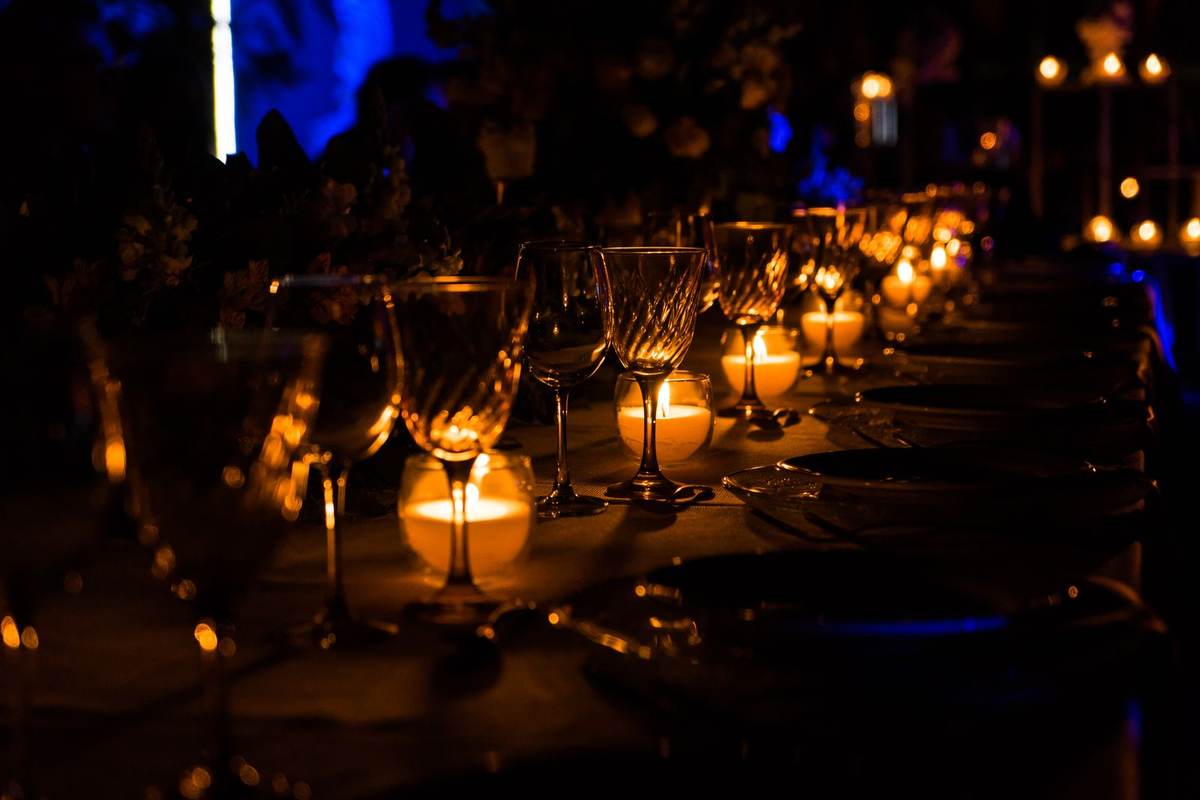
A celebration in a house needs stage management precisely because there is no hotel behind it — and that is the Maison's craft. Kitchens are scaled up with the chef's own brigade; power, lighting and sound arrive silently and disappear the same way; tides are read before a beach ceremony is timed; the dance floor is laid where the ground genuinely permits it. Guests see none of this. They see a garden that happens to be perfect at seven o'clock.
The chef's role expands with the occasion: a wedding dinner built on the island's four inheritances — Creole, Indian, Chinese, French — a birthday menu that quotes the guest of honour's life dish by dish, a children's table that is neither an insult nor an afterthought. Wine and rum are chosen with the hosts rather than for them, and the tastings in the days before the event are, by common consent, part of the celebration.
And when it ends, it ends cleanly. The build is struck overnight, the house returns to being a home for the remaining days, and the family stays on — which is the deepest argument for the villa over the venue: the celebration is an evening, but the gathering is a week. The Maison composes for the week, because the morning-after breakfast, unhurried and together, is usually the part a family remembers longest.
How to begin
Send the occasion in one line — her fiftieth, twenty of us, next April; we want to marry barefoot, ten guests — with your dates if you hold them. Within 48 hours the Maison returns a sketch: coast and house for your season, the shape of the days, how the envelope would be deployed. Engagements begin at USD 50,000, all-inclusive with no surprise fees, and nothing is owed until the composition is confirmed.
Timing favours the decisive. The austral summer, November to April, is the island's festive height and the Maison's fullest season; with twelve stays a year, celebration dates — December and the European spring above all — are confirmed months ahead. The austral winter offers softer light, the sheltered west and a calendar with more room in it. For weddings needing civil formalities, allow additional weeks so documents can be filed comfortably before travel.
From confirmation onward, one dedicated liaison carries everything — guests, vendors, secrets, weather — and answers within 48 hours at every step. Your family's task is reduced to the only part that cannot be delegated: being there, together, while an island and a house conspire briefly in your favour. That, in the end, is what the Maison sells — the occasion with its logistics removed and its meaning intact.
« A great celebration looks effortless because someone rehearsed the effort out of it. Our guests keep the evening; we keep the rehearsals. »— The founder, Maison Atoll
FAQ
Can foreigners get married in Mauritius?
Yes. Civil marriage for non-residents is well established: documents are filed with the civil status authorities before travel, the couple arrives a few days ahead of the ceremony, and a civil officer can marry you at the villa itself. Maison Atoll's local team handles the filings, appointments and translations as part of the composition.
How many guests can a villa wedding hold?
The Maison composes comfortably from two witnesses up to around forty guests, housing the party across the main villa and neighbouring houses taken for the week. Beyond that scale, intimacy — the point of a villa celebration — begins to thin, and the Maison says so honestly rather than staging a hotel-sized event in a private garden.
What does a private celebration in Mauritius cost?
Engagements begin at USD 50,000 as one all-inclusive envelope: house and staff, chef and brigade, the ceremony build, boats, transfers, musicians and the days around the event. There is no venue fee, no corkage logic and no surprise final bill — trade-offs are decided inside the envelope with your dedicated liaison before anything is confirmed.
Can you keep a surprise party genuinely secret?
Yes — secrecy is treated as logistics. Guests are briefed individually, arrivals staggered across separate transfers, suppliers contracted under the Maison's name without the family's, and one liaison holds the entire plot. The Maison never names its guests in any circumstance, so nothing surfaces before, during or after the event.
When is the best season for a wedding or gathering?
November to April is the warm, still austral summer — the island's festive height, confirmed months ahead given the Maison's twelve-stay limit. May to October brings drier air and softer light, with ceremonies composed on the sheltered west while the trade winds comb the east. Beach timings are set by tide and light in either season.